

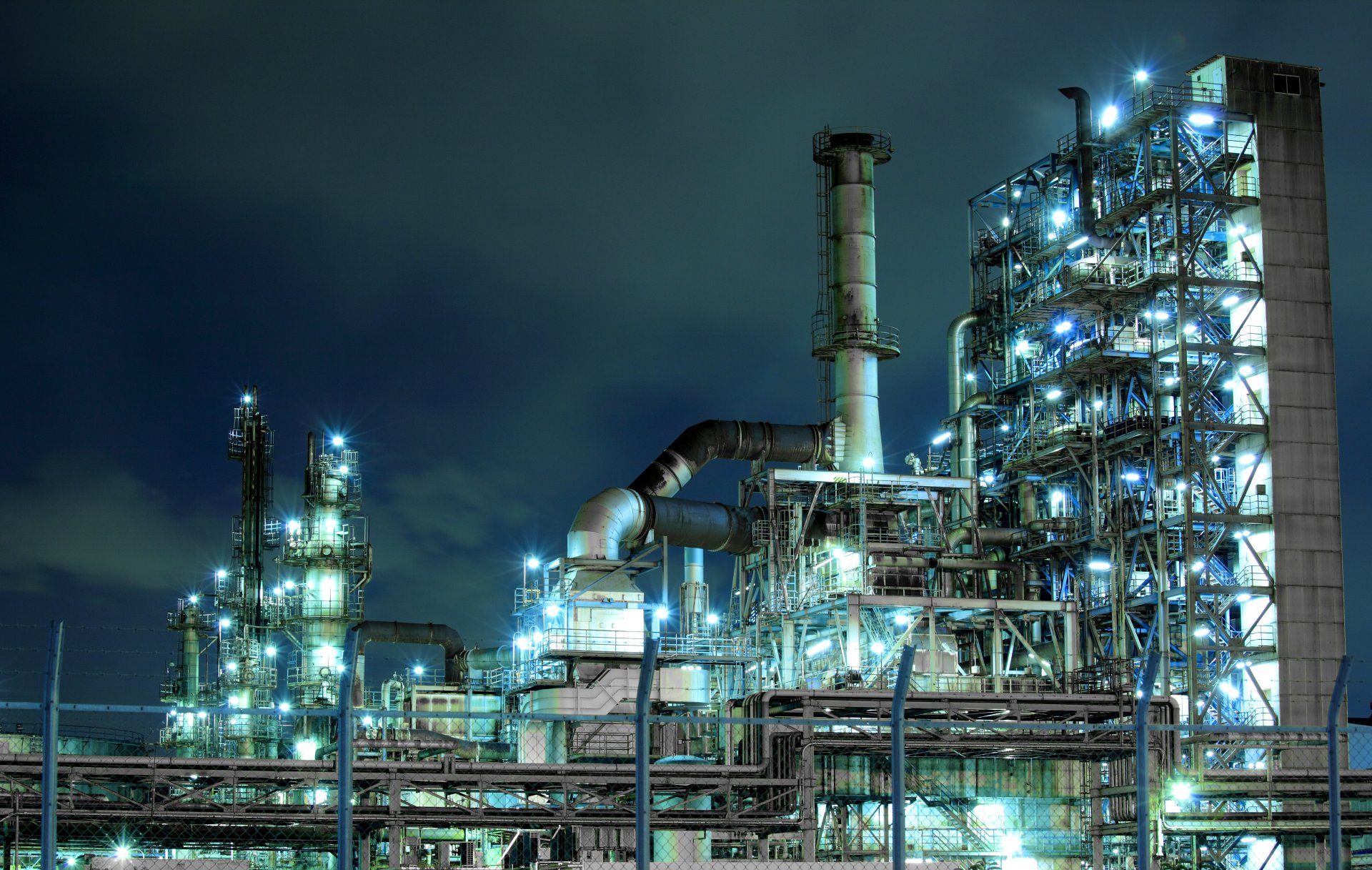
Chemical industry
The chemical sector forms a vital pillar of European industry, with the Czech Republic contributing around 2% of the EU's total chemical production. Despite this modest share, the sector is highly significant for the national economy, ranking second only to automotive in terms of sales. Czech chemical production encompasses a broad range of products: inorganic and organic chemicals, fertilisers, petrochemicals, plastics, synthetic resins and rubber, paints, pigments, agrochemicals, pharmaceuticals, cosmetics, detergents, fibres and explosives.
Key chemical clusters are located in northwest Bohemia, north Moravia and central Bohemia including Prague, with production facilities nationwide. Major plants like Deza, Lovochemie, Precheza and Synthesia belong to the Agrofert group, a leading Czech producer of fertilisers and chemical intermediates. Foreign investors have a prominent presence: ORLEN Group manages refining and petrochemical assets in Litvínov and Kralupy nad Vltavou and owns Spolana in Neratovice, recently restructuring with workforce reductions. Synthos in Kralupy nad Vltavou continues to produce synthetic rubber.
Traditional Czech firms such as Spolchemie (resins), Fosfa (yellow phosphorus), and Draslovka (battery materials) remain influential. International operators include Wanhua (base chemicals), Synthomer (acrylic acid derivatives), and Synthon (pharmaceutical ingredients).
Industrial parks attract foreign investment, with Cayman Pharma (API production), Eurosupport Manufacturing (catalysts), Air Products, Dukol (adhesives), and Central Glass (electrolytes) among arrivals. These investments increasingly focus on advanced, sustainable chemical technologies.
Since 2024, the European chemical industry has faced major changes: high energy prices, stricter regulations, and global overcapacity, especially in basic chemicals. Competition from non-EU suppliers has intensified that provides low-priced fertilisers, and China challenges across many segments. These pressures have led to restructuring and job reductions within the Czech sector, with policy shifts and supply-chain uncertainties impacting investment.
Yet, there are significant opportunities ahead. Decarbonisation is a key priority: Czech plans to phase out coal by 2033, expand renewable energy and develop hydrogen initiatives are driving low-carbon chemical processes. Projects involving CO₂ capture, electrified processes and renewable hydrogen are gaining momentum, supported by EU mechanisms like the Just Transition Fund.
The emerging battery industry offers further transformation, positioning the Czech Republic as a strategic contributor to Europe's battery supply chain. Combined with a skilled workforce, strong industrial tradition, proximity to major EU manufacturing clusters and available brownfield sites, the country is well-suited for both traditional chemical production and next-generation materials. Despite current pressures, long-term prospects are supported by innovation, advanced materials, energy transition technologies and rising demand linked to the electrification of transport and industry.
|
Martin Dittrich |